
 Is PE foam density one of the factors that influences your purchasing decision?
 Is PE foam density one of the factors that influences your purchasing decision?
For customers who mainly use foam for product packaging and do not require highly specialized specifications, foam thickness is often sufficient to ensure goods can be transported over long distances without damage.
However, customers requiring greater precision and higher-quality materials—such as those in the garment, backpack, handbag, luggage, shoe sole, and shoe insole industries—often have stricter requirements regarding foam density in PE foam.
What is PE foam density?
PE foam density refers to the mass of foam per unit volume and is commonly measured in kg/m³ (kilograms per cubic meter) or lbs (pounds).
It reflects how tightly or loosely the polyethylene resin is distributed within the air-cell structure of the foam sheet:
- Higher density: Smaller and more compact foam cells. The foam becomes heavier, firmer, more compression-resistant, and more durable.
- Lower density: Larger and more numerous air cells. The foam becomes lighter, softer, more flexible, and more cost-effective.
COMMON PE FOAM DENSITY CATEGORIES
There are three common PE foam density categories:
1. Low Density Foam (15–25 kg/m³)
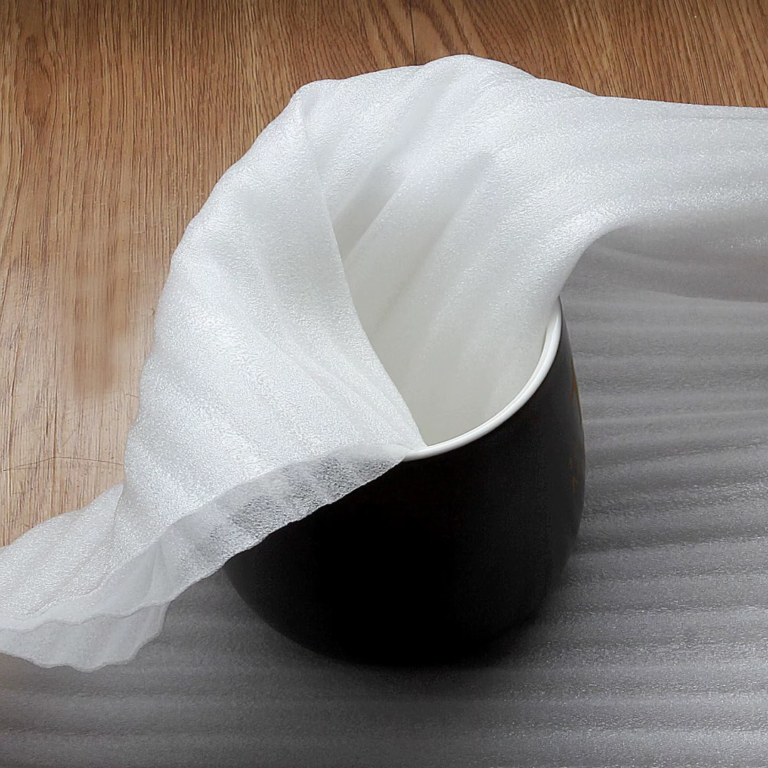
S.G Chemical commonly supplies PE foam with a density range of 18–20 kg/m³, which is readily available for customers.
Characteristics:
Very soft, flexible, easy to bend, and extremely lightweight.
Applications:
Mainly used as thin foam sheets (1–5 mm) for wrapping cosmetics, glassware, dishes to prevent scratches, or as underlayment for laminate flooring.
2. Medium Density Foam (25–55 kg/m³)
S.G Chemical manufactures this density range upon customer request and pre-order.
Characteristics:
Moderate firmness with a balance between scratch protection and cushioning performance.
Applications:
Used for molded foam trays (thin type), corner protection inserts for TVs, refrigerators, washing machines, and cushioning for exported fruits.
3. High Density Foam (Above 35 kg/m³)
Characteristics:
Very firm, solid to the touch, highly resistant to compression, and capable of supporting heavy loads.
Applications:
Used for molded trays for premium electronic devices, heavy industrial equipment, watch boxes, precision mechanical components, and specialized soundproofing and thermal insulation materials.
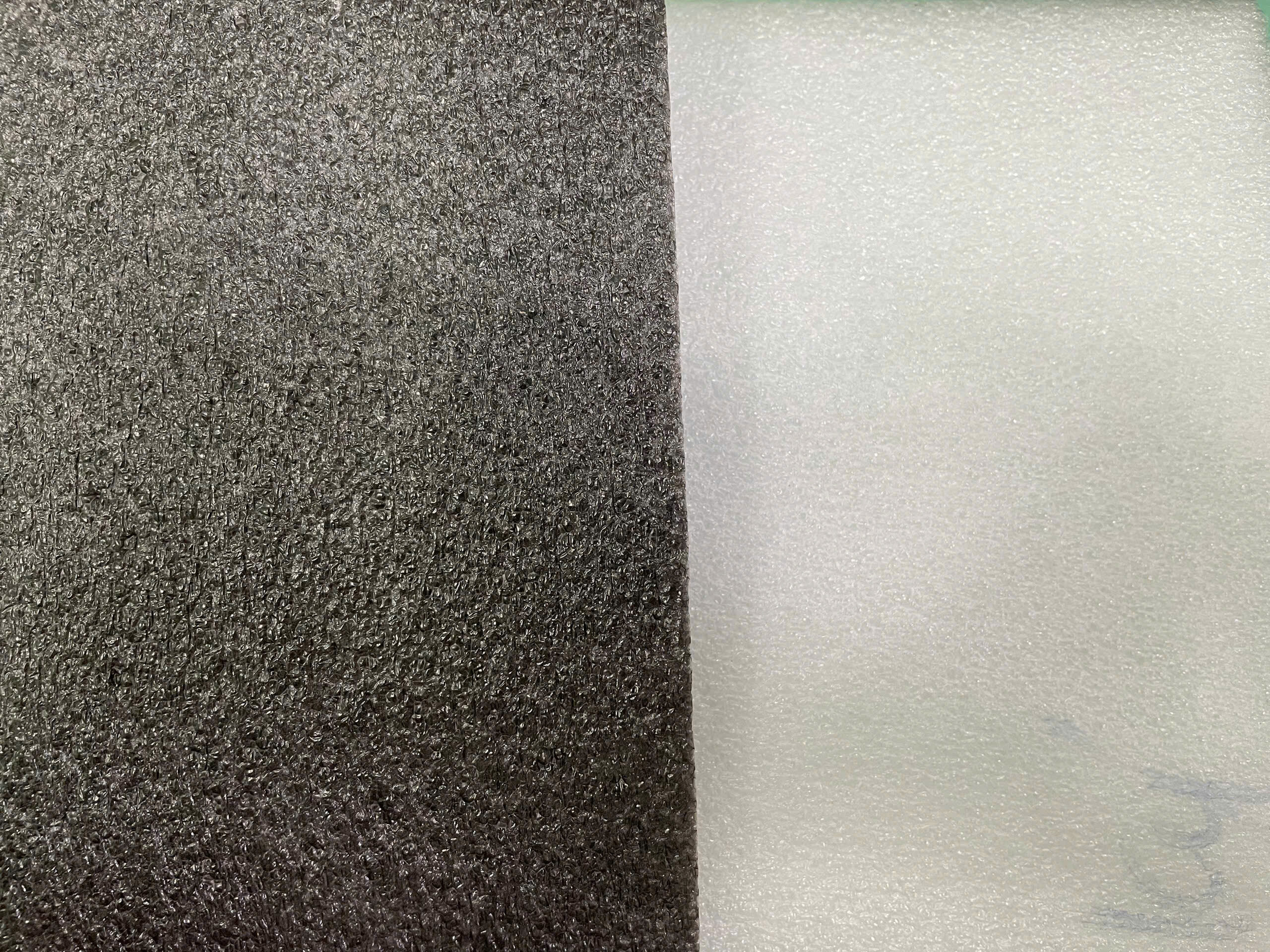
Examples: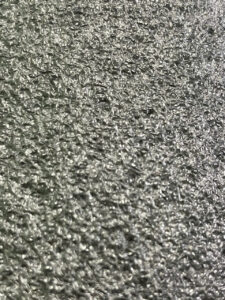
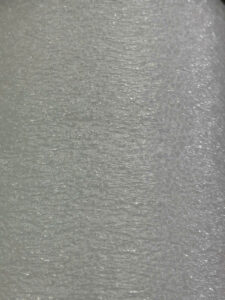
Density: 25 kg/m³ Density: 30 kg/m³
S.G Chemical not only supplies standard PE foam densities of 18–20 kg/m³ with thicknesses from 1–5 mm, but also provides customized density solutions based on customer requirements to deliver the most suitable packaging and material solutions.
One common misunderstanding among customers is confusing foam thickness with foam density.
A thin foam sheet with high density can often protect heavy products more effectively than a very thick foam sheet with low density, which may compress and lose protection under continuous pressure.
Common Mistakes When Choosing PE Foam Density and How to Avoid Them
Mistake 1: Assuming thicker foam always provides better protection.
(Result: Higher packaging costs and wasted carton space.)
Mistake 2: Choosing excessively high density for fragile products.
(Overly rigid foam may transfer impact directly to the product and increase the risk of corner damage.)
Solution:
Conduct a drop test to evaluate compatibility between the foam and the packaged product.
Customers with higher aesthetic requirements often request higher density with finer foam cells, which naturally increases product cost.
Some manufacturers reduce density to offer lower prices; however, such products may tear more easily and provide lower durability.
Contact
For more information, please contact:
S.G Chemical Co., Ltd.
Phone: +84 933 678 637
Email: sgsale@vinalon.vn
Facebook: SGvinalon